


Implant-Supported Ceramic Restoration
Implant-supported ceramic restoration is an optimal method for restoring missing teeth, providing both chewing function and excellent aesthetics.
Treatment Process
· Implant Placement: The dentist places an implant fixture, made from titanium, into the jawbone at the position of the missing tooth. The implant fixture acts as an artificial tooth root.
· Osseointegration Period: The implant fixture requires approximately 2–6 months to fully integrate with the jawbone, creating a stable foundation for the prosthetic tooth.
· Abutment Placement: After the implant fixture has integrated with the bone, the dentist attaches an abutment on top to connect the implant fixture with the ceramic crown.
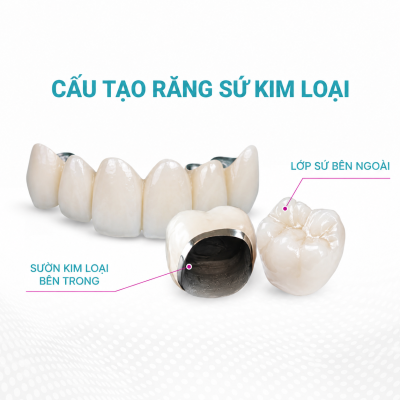
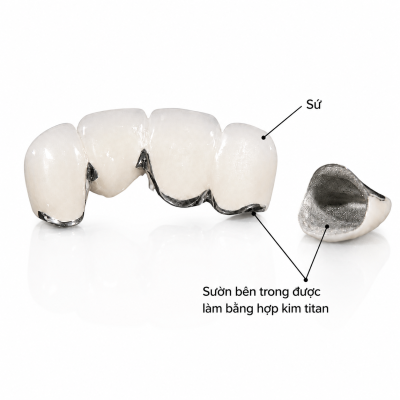
· Ceramic Crown Placement: The ceramic crown is fabricated to match the natural shape and color of the patient’s teeth. It is then securely fixed onto the abutment, completing the restoration process.
Advantages
· High Aesthetics: Implant-supported teeth have a natural shape and color similar to real teeth, helping create a beautiful and harmonious smile.
· Good Chewing Function: Implant-supported teeth have a strong and stable structure, allowing patients to chew comfortably like natural teeth.
· High Durability: Implant materials are highly durable and can last for many years, potentially a lifetime with proper care.
· Preservation of Natural Teeth: This method does not invade the adjacent teeth, helping preserve the natural teeth as much as possible.
· Prevention of Jawbone Resorption: The implant fixture helps stimulate the jawbone, reducing bone loss after tooth loss.
· Comfort and Confidence: Implant-supported teeth provide a natural, confident, and comfortable feeling similar to real teeth.
Indications
· Missing one or multiple teeth.
· Complete tooth loss on the dental arch.
· Patients who desire strong, stable, and highly aesthetic teeth.
· Patients with sufficient jawbone condition for implant placement.


Reviews
There are no reviews yet.