


What Are Zirconia Ceramic Crowns?
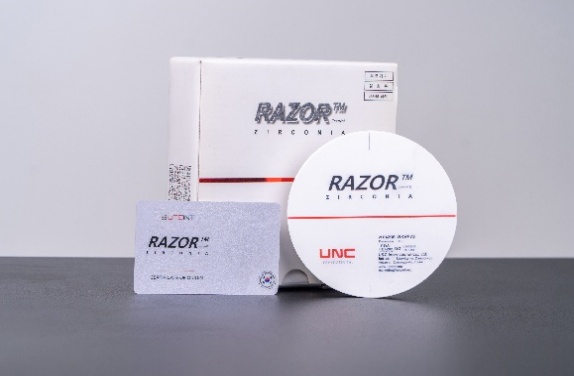
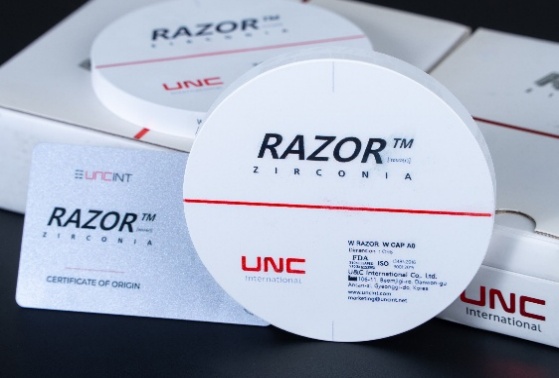
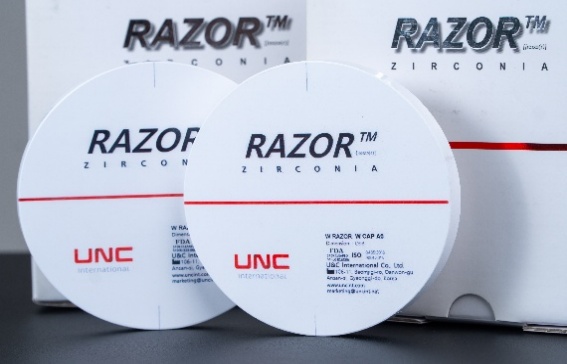
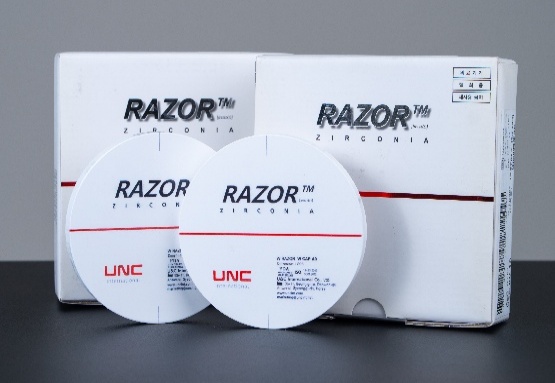
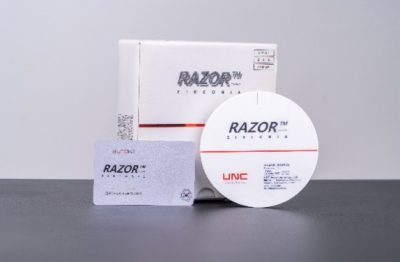
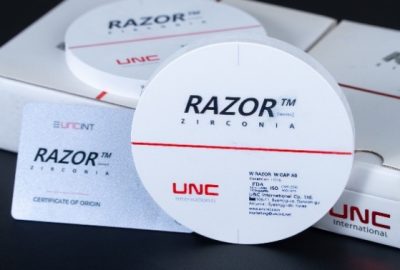
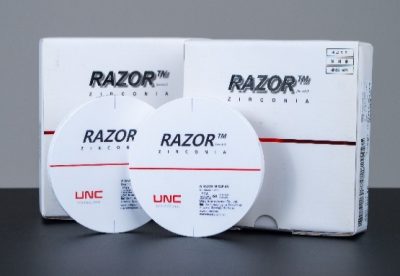
Zirconia ceramic crowns are fabricated from high-strength zirconia material, offering excellent resistance to cracking, fracture, and wear. This material helps ceramic restorations maintain high stability during use and is suitable for many aesthetic dental restoration cases as well as functional chewing rehabilitation.
Modern CAD/CAM Technology
Zirconia ceramic crowns are fabricated using modern CAD/CAM technology, allowing crowns to be designed and produced with high precision. As a result, the crowns can fit closely to the prepared natural teeth, helping reduce open margins, food impaction, and bacterial penetration into the restoration.
Excellent Durability
Zirconia is well known for its strength and good load-bearing capacity. With high durability and flexural strength, zirconia ceramic crowns can effectively meet daily chewing needs and are suitable for posterior restorations or implant-supported ceramic restorations as indicated by the dentist.
Natural Shade
Zirconia ceramic crowns have a bright white shade, stable translucency, and an enamel-like appearance. When designed with the appropriate tooth shade, zirconia restorations can provide a natural look that harmonizes with the patient’s face and smile.
Safe for the Body
Zirconia ceramic crowns are metal-free all-ceramic restorations, offering good compatibility with the oral environment. This material helps reduce gum irritation, does not cause adverse reactions during use, and provides better thermal insulation than some metal-ceramic crown lines.
Key Advantages of Zirconia Ceramic Crowns
High Aesthetics
· Bright and natural tooth shade.
· Translucency and gloss relatively similar to natural teeth.
· Does not cause dark gum margins over time.
· Suitable for aesthetic ceramic crown restorations.
High Strength and Durability
Zirconia ceramic crowns offer high strength, good resistance to cracking, fracture, and wear. As a result, this ceramic line can support stable chewing function, reduce the risk of chipping during use, and is suitable for various tooth positions.
Good Biocompatibility
· Metal-free composition.
· Helps reduce soft tissue irritation.
· Does not cause gum allergies.
· Provides good thermal insulation.
· Suitable for the moist environment of the oral cavity.
High Precision
Thanks to CAD/CAM fabrication technology, zirconia ceramic crowns have a high level of fit with the prepared natural teeth. This helps reduce problems caused by open margins, lowers the risk of food impaction, and supports a longer service life for the restoration.
Disadvantages of Zirconia Ceramic Crowns
Besides many outstanding advantages, zirconia ceramic crowns still have some limitations:
· The cost is usually higher than metal-ceramic crowns or some common ceramic lines.
· A qualified dentist is required to ensure accurate tooth preparation, impression taking, and crown placement.
· In some cases requiring very high aesthetics in the anterior region, the dentist needs to select the appropriate shade and translucency to achieve the most natural harmony.
· Not every case can be restored with ceramic crowns immediately; patients may need to treat existing oral diseases before restoration.
Suitable Candidates for Zirconia Ceramic Crowns
Zirconia ceramic crowns are recommended for the following cases:
· Broken, fractured, or chipped teeth.
· Yellowed or severely discolored teeth that are difficult to improve with whitening treatment.
· Teeth with uneven shapes that affect smile aesthetics.
· Mildly spaced teeth or small gaps between teeth.
· Teeth that have undergone root canal treatment and need restoration to protect the natural tooth.
· Cases of missing teeth requiring ceramic bridge restoration as indicated by the dentist.
· Patients requiring implant-supported ceramic restorations.
· Patients who wish to improve tooth shade, shape, and chewing function.
Zirconia Ceramic Crown Treatment Process
Step 1: Examination and Consultation
The dentist examines the patient’s oral condition, evaluates tooth shade and bite, and takes X-rays if necessary. Based on this, the dentist will recommend a suitable restoration plan according to the condition of the natural teeth and the patient’s aesthetic needs.
Step 2: Tooth Preparation
The dentist prepares a suitable amount of tooth enamel to create space for the ceramic crown. This process must be performed carefully to preserve as much natural tooth structure as possible and ensure that the final ceramic crown fits properly.
Step 3: Taking Dental Impressions
After tooth preparation, the dentist takes an impression using specialized impression material or digital technology. This data is then sent to the dental laboratory to design and fabricate the zirconia ceramic crown according to the selected shape, size, and shade.
Step 4: Temporary Crown Placement
While waiting for the final ceramic crown to be completed, the patient will receive a temporary crown to maintain aesthetics and support basic chewing function. The temporary crown also helps protect the prepared tooth during the waiting period.
Step 5: Placement of the Zirconia Ceramic Crown
Once the ceramic crown is completed, the dentist checks the fit, shade, shape, and occlusion. After the patient feels comfortable, the zirconia ceramic crown is fixed in place using specialized dental cement.
Lifespan of Zirconia Ceramic Crowns
The average lifespan of zirconia ceramic crowns can be around 12 years, or even longer if the restoration is performed with proper technique and maintained with good oral care. With high strength and durability, zirconia ceramic crowns can remain stable for a long time when patients attend regular check-ups and maintain proper chewing habits.
Factors that affect the durability of zirconia ceramic crowns include:
· The skill of the treating dentist.
· The precision of the ceramic crown design and fabrication process.
· The quality of the underlying natural tooth structure.
· The patient’s bite condition.
· Oral hygiene after restoration.
· Chewing habits and regular dental check-up schedule.
How to Care for Zirconia Ceramic Crowns
To maintain the durability and beauty of zirconia ceramic crowns, patients should:
· Brush their teeth at least twice a day using a soft-bristled toothbrush.
· Use dental floss or a water flosser to clean between the teeth.
· Avoid biting directly on very hard objects.
· Avoid using the teeth to open bottle caps, bite fingernails, or tear packaging.
· Limit foods that are too chewy or too hard during the initial period after crown placement.
· Avoid teeth grinding during sleep or use a night guard if indicated by the dentist.
· Visit the dentist every 6 months for ceramic crown evaluation and oral health check-ups.
Why Choose Zirconia Ceramic Crowns?
Zirconia ceramic crowns are a suitable choice for patients who want ceramic restorations with high durability, natural shade, and stable chewing function. With metal-free all-ceramic material, modern fabrication technology, and good biocompatibility, zirconia helps improve smile aesthetics while reducing the risk of dark gum margins after a period of use.
This ceramic line is suitable for various restoration needs, from improving chipped, discolored, or spaced teeth to restoring posterior teeth or implant-supported teeth as indicated by the dentist.
Frequently Asked Questions About Zirconia Ceramic Crowns
Do zirconia ceramic crowns cause dark gum margins?
No. Zirconia ceramic crowns are all-ceramic restorations and contain no metal, helping reduce oxidation and dark gum margins after a period of use.
Are zirconia ceramic crowns painful?
The ceramic crown procedure is performed under local anesthesia, so it is generally not painful. After treatment, patients may experience mild sensitivity for a short time, which usually gradually subsides.
How long can zirconia ceramic crowns last?
Zirconia ceramic crowns can last around 12 years or longer if they are restored with proper technique, cared for correctly, and checked regularly according to the dentist’s instructions.
Are zirconia ceramic crowns safe?
Yes. Zirconia ceramic crowns are metal-free all-ceramic restorations with good biocompatibility, helping reduce gum irritation and making them suitable for many dental restoration cases.
Reviews
There are no reviews yet.